15 min read

African Art and Contemporary Graphic Design in South Africa

Cultural Identity Through Visual Integration

15 min read

African Art and Contemporary Graphic Design in South Africa

Cultural Identity Through Visual Integration

Author

Leah Knipe

A South African graphic designer researching the intersection of traditional African art and contemporary graphic design.

Author

Leah Knipe

A South African graphic designer researching the intersection of traditional African art and contemporary graphic design.

Author

Leah Knipe

A South African graphic designer researching the intersection of traditional African art and contemporary graphic design.

Introduction

South African graphic design has undergone profound transformations throughout the nation's history, shaped by cultural identity, historical evolution, and the incorporation of traditional African art forms. This research explores the dynamic interaction between African art and contemporary graphic design in South Africa, examining how these elements influence artistic practice and visual communication.

I will analyse cultural identity, historical context, the integration of traditional artistic forms, and societal factors affecting design to understand the complex relationship between African art and graphic design. This investigation aims to illuminate how these elements shape visual communication and contribute to South Africa's evolving design landscape.

Research Problem 1: African Architecture's Function and Its Relationship to Modern Graphic Design

Question: How has the incorporation of African architectural elements influenced South Africa's modern graphic design?

According to Momaa (2023), "The integration of contemporary African architecture and art provides unique insight into the cultural, historical, and social aspects of the African continent, showcasing the region's distinct identity and promoting sustainable development practices." This suggests that combining modern architecture with traditional art creates a deeper understanding of Africa's cultural heritage while supporting contemporary design innovation.

Contemporary African architecture often incorporates traditional art forms, such as patterns, motifs, and symbolism, into its designs. These elements serve as a visual link to the continent's rich cultural heritage and contribute to creating unique and contextually relevant architectural spaces. This integration demonstrates how African architects maintain cultural connections while addressing modern functional requirements.

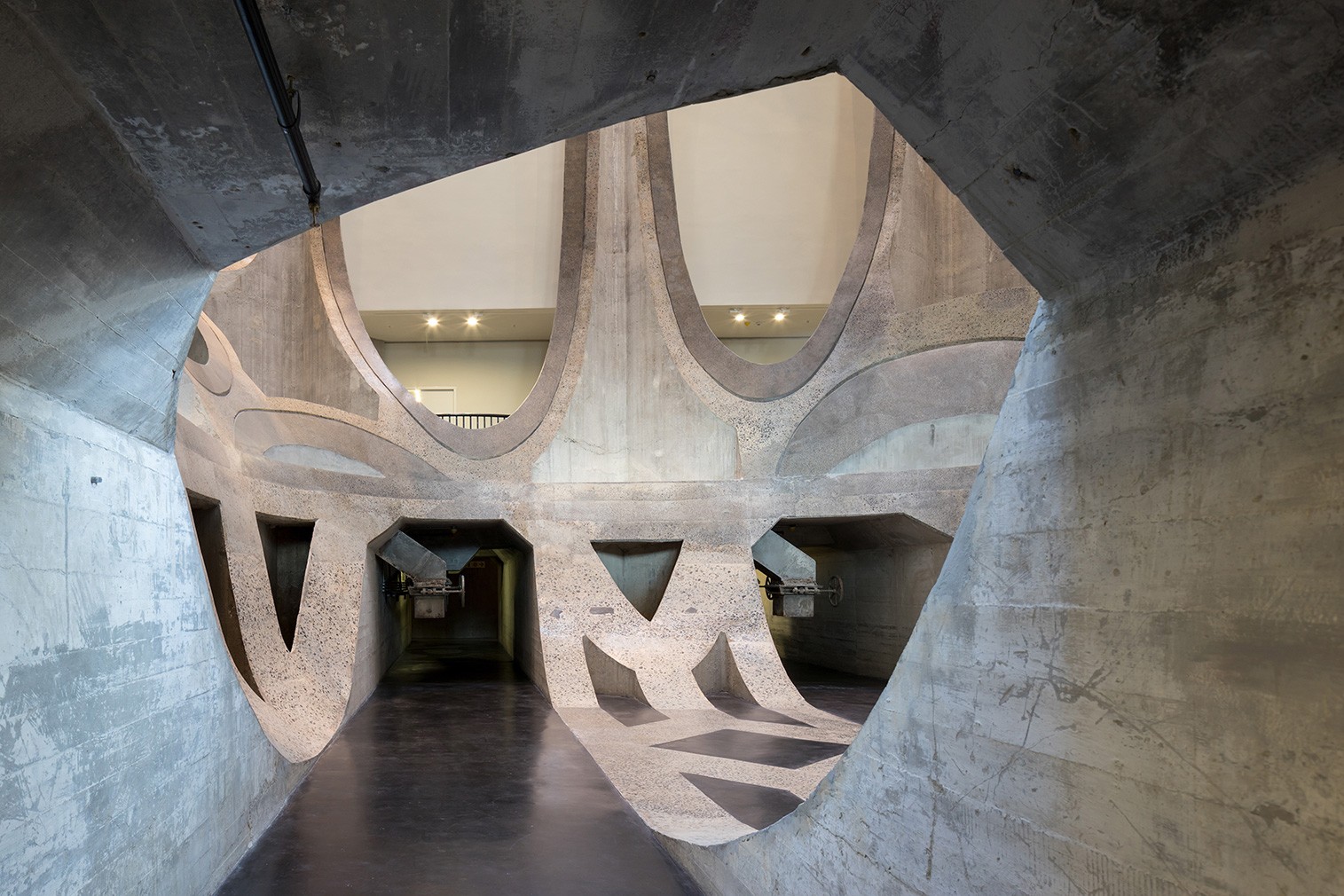
The Zeitz Museum of Contemporary Art Africa (Zeitz MOCAA) in Cape Town exemplifies this integration. Designed by British architect Thomas Heatherwick in collaboration with South African artists, the museum combines architectural innovation with artistic expression. The building's distinctive design incorporates sculptural elements that reflect both contemporary aesthetics and African artistic traditions. The museum's graphic identity, developed by South African design studios, translates these architectural principles into visual communication systems that maintain the building's sculptural quality through typography, colour palettes, and spatial arrangements.

In South Africa, where multiple cultural elements intersect, the combination of architectural and graphic design components holds particular significance. Traditional patterns, motifs, and symbols are frequently incorporated into contemporary design work by architects and graphic artists, drawing inspiration from the nation's rich cultural heritage. This integration contributes to creating a strong sense of place and identity by visually connecting contemporary work with South African culture.

The Ndebele house painting tradition demonstrates how geometric patterns and bold colours from architectural decoration have influenced South African graphic design. These visual elements have been adapted into contemporary branding, editorial design, and digital media, creating a distinctive South African aesthetic that resonates with local audiences while maintaining international appeal. Modern South African brands such as Ubuntu Foods and Mzansi Coffee Co. employ Ndebele-inspired geometric patterns in their visual identities, demonstrating the continued relevance of these traditional forms in contemporary commercial design.

The same logic holds in the physical world. Nude palettes evoke earthy minimalism and sensory luxury. A pale clay box feels premium without metallic; a taupe label signals restraint and care. When the colour steps back, materials—recycled paper, raw cotton, glass—step forward.

Purpose Statement

This research problem investigates the connection between African architectural traditions and contemporary graphic design in South Africa. By examining how African architectural elements are incorporated into graphic design practices, I aim to understand how these elements impact visual communication and aesthetics. The findings will enhance my understanding of African cultural identity in design and improve appreciation for the interaction between architectural and graphic arts.

Rationale

Understanding the cultural context and historical development that have shaped design practices is essential to comprehending the influence of African architectural elements on contemporary visual design in South Africa. African architecture reflects the interaction of environmental factors—such as natural resources, climate, and vegetation—with the economies and population densities of various regions. This relationship between environmental elements and architectural development directly influences South African graphic design aesthetics.

The Zeitz MOCAA building demonstrates how architectural principles translate into graphic design concepts. The museum's design philosophy, which integrates sculpture and architecture, has influenced how South African designers approach spatial relationships, typography, and visual hierarchy in their work. By analyzing such examples, we can understand how architectural thinking informs graphic design practice.

The geometric patterns found in traditional African architecture—such as the intricate designs of the Great Mosque of Djenné or the structural grid systems of contemporary buildings—have directly influenced South African graphic designers' approach to layout composition and visual organization. This architectural influence is particularly evident in the work of Cape Town-based design studios that incorporate modular grid systems inspired by traditional building techniques.

Research Problem 2: Post-apartheid South African Design Culture and Graphic Design

Question: How has the incorporation of African architectural elements influenced South Africa's modern graphic design?

The post-apartheid era called for a "new design order" based on a holistic and integrated vision of design purposes. This perception acknowledged the pivotal position of design in society and its utilitarian and sign functions (Sauthoff, 2004). This shift emphasized the need to foster the development of a South African design culture that combines global trends with the essential and differentiating qualities of Africa.

The significant role of design can only be actualized through the institution of a uniquely South African design culture. The design ought to reflect regional conditions as well as South African society's viewpoints and beliefs (Sauthoff, 2004). This approach required balancing the economic and social dimensions of design to address societal challenges and improve society's general well-being.

The new South African constitution, enacted in 1994, laid the foundations for a democratic future. This event was a major factor in the country's future growth and opened the way for design contributions to new national and cultural identities. The preferred method for developing a distinctive appearance in South Africa's post-apartheid design movement became cultural fusion.

The aesthetics of "cultural mixing" are exemplified by local magazines such as i-jusi, which mix and appropriate existing visual elements and expressions from different sources within the South African cultural matrix. These publications gave designers the freedom to combine visual elements from various regions of the nation's cultural landscape, creating a distinctive and varied aesthetic.

Design groups like TinTemple and Orange Juice Design demonstrate South African graphic design's direct engagement with, and visual reconciliation of, history, localities, Indigenous cultures, and urban vernacular expressions. Their work reflects the post-apartheid commitment to creating inclusive design that represents all South Africans. Orange Juice Design's identity work for the Market Theatre exemplifies how contemporary South African designers integrate historical narrative with modern visual communication, creating identities that honor the past while speaking to contemporary audiences.

Freedom Park in Pretoria exemplifies how designed public landscapes began to take on a significant role in attempting to be socially, culturally, and environmentally responsive. The park was conceived as a "people's shrine" where those who endured pain during apartheid would be honored with dignity, symbolizing the joy of freedom and reflecting South Africa's identity. The park's wayfinding and interpretive design systems demonstrate how public design can serve both functional and commemorative purposes, influencing how South African designers approach civic and institutional projects.

Purpose Statement

This study aims to assess how Post-apartheid Design Culture has affected graphic design practice in South Africa. By exploring the historical context and social variables that influenced South African design, I aim to comprehend the distinct influence that emerged after apartheid. I will focus on how these influences interact with graphic design to shed light on how design practices have evolved and how cultural identity has been expressed.

Rationale

To understand the social and cultural transformation of South Africa and its reflection in the field of design, it is necessary to examine the impact of the post-apartheid South African design culture on graphic design practice. In examining the role of graphic design in post-apartheid South Africa, I can identify challenges, opportunities, and perspectives that contribute significantly to a comprehensive understanding of its development.

The rich cultural diversity of South Africa has contributed to the creation of a unique visual language in the country's graphic design. By reflecting the country's cultural values and beliefs, graphic designers can create designs that resonate with audiences on a deeper level. However, one of the biggest challenges faced by South African graphic designers is balancing cultural authenticity with commercial appeal.

The post-apartheid design movement has created opportunities for South African designers to develop a distinctive visual voice that speaks to both local and international audiences. This is evident in the work of contemporary studios such as HONEYWOOOD and The Creative Counsel, which successfully blend African aesthetic sensibilities with international design standards.

Research Problem 3: Integration of Indigenous African Designs into Contemporary South African Graphic Design

Question: How much of South Africa's modern graphic design is influenced by Indigenous African visual traditions?

The case study examining the relationship between specific traditional symbols from the Zulu culture of KwaZulu-Natal province and the conventionalized version of the AIDS ribbon commonly used in HIV/AIDS awareness campaigns demonstrates the integral importance of indigenous systems to contemporary communication issues in South Africa.

Such marginalization can only be addressed by designers if they research both the historical and contemporary uses of visual communication among the Amazulu and then integrate this knowledge into their work. Designers may do this by researching the history and current use of visual communication among African Zulu peoples, thus incorporating that knowledge into their design work. This integration is essential to support inclusivity and cultural diversity in graphic design throughout South Africa.

The range and nature of graphic systems in South Africa demonstrate that indigenous visual traditions continue to play a vital role in contemporary design practice. Traditional symbols, patterns, and colour systems have been adapted for modern applications while maintaining their cultural significance and communicative power.

The work of contemporary South African designers such as Karabo Poppy Moletsane and studios like Black Pixel exemplify how indigenous design principles can be integrated into contemporary practice. Moletsane's identity work for the Ubuntu Foundation incorporates traditional African geometric patterns while maintaining modern design sensibilities, creating visual systems that are both culturally rooted and internationally relevant.

The influence of indigenous African design extends beyond traditional pattern-making to encompass conceptual approaches to visual communication. Many South African designers have adopted the African principle of ubuntu—meaning "I am because we are"—in their approach to collaborative design processes and community-centered projects.

Purpose Statement

The study's main objective is to examine how regional African graphic traditions are incorporated into contemporary South African graphic design. By analysing the presence and extent of indigenous influences, we can understand the role of traditional art forms in shaping design practice. These results will clarify the value of heritage and its function in contemporary visual communication.

Rationale

To understand cultural heritage preservation and its impact on design practice, it is important to examine how contemporary South African graphic design incorporates Indigenous African graphic traditions. By analyzing how designers adopt traditional symbols and visual communication methods, I will be able to evaluate the degree to which Indigenous traditions are included, enhance our tolerance for cultural diversity, and support inclusive design approaches.

The integration of indigenous design principles into contemporary practice represents more than aesthetic borrowing—it reflects a deeper commitment to decolonizing design practice and creating visual languages that authentically represent South African cultural identity. This approach has influenced international perceptions of African design and has positioned South African designers as leaders in culturally responsive design practice.

Conclusion

This study reveals a complex relationship between African art and contemporary graphic design in South Africa that significantly influences visual communication. The integration of African architectural elements into graphic design practice has shaped the artistic and cultural identity of South African visual art. By incorporating traditional art forms such as patterns, pictograms, and symbols into contemporary design, artists and designers have created a visual connection between Africa's rich cultural past and present-day expression.

The post-apartheid era had a profound impact on the development of graphic design practices in South Africa. The Design Movement promoted a comprehensive and integrated view of design that acknowledged its symbolic and practical functions in society. Throughout the apartheid era, graphic design served as a tool of subversion and resistance, and language manipulation represented the richness and character of South Africa. Following apartheid, the growth of graphic design education and professionalization has continued to influence design practice.

The study emphasizes that understanding the social, historical, and culturally evolving impact of graphic design in South Africa is essential. Through exploring the interaction between African art, architecture, and visual arts, I have gained a better understanding of the complexities and richness of South Africa's design practices. The research highlights the need to promote inclusiveness, social cohesion, and cultural heritage through design, advancing our understanding of African cultural identity in contemporary design.

As we move further into the 2020s, South African graphic design continues to evolve while maintaining its connection to cultural roots. The examples examined in this research demonstrate that authentic cultural expression in design is not about superficial appropriation of traditional elements, but about understanding and respecting the deeper meanings and principles that inform African visual traditions. This approach has positioned South African design as a model for culturally responsive design practice that can inform designers globally.

References

ArchDaily. (2019). Rebuilding Rwanda: Designing a New Future. [online] Available at: https://www.archdaily.com/929187/rebuilding-rwanda-designing-a-new-future [Accessed 6 Jun. 2023].

Bos, E. (2018). When Africa Meets Design - Cultural Influence in the Digital Age. [Online] Available at: https://www.linkedin.com/pulse/when-africa-meets-design-cultural-influence-digital-eugene [Accessed: 6 June 2023].

Carey, P. (2011). From the Outside In: A Place for Indigenous Graphic Traditions in Contemporary South African Graphic Design. Design Issues, 27(1), 55-62. [Online] Available at: https://www.jstor.org/stable/40983243 [Accessed: 6 June 2023].

Getty Images. (2019). Ndebele House Painting [Photograph]. Retrieved from https://media.gettyimages.com/photos/murals-in-a-ndebele-village-south-africa-picture-id492782527 [Accessed: 5 June 2023].

Joubert, S.D. (2022). An exploration of South African visual culture and identity: case studies in graphic design. Cape Peninsula University of Technology. [Online] Available at: https://ir.cput.ac.za/handle/20.500.11838/3827 [Accessed: 6 June 2023].

Momaa. (2023). The Intersection of Contemporary African Architecture and Art. Momaa. [Online] Available at: https://momaa.org/the-intersection-of-contemporary-african-architecture-and-art/ [Accessed: 6 June 2023].

Pretorius, D. (2015). Graphic design in South Africa: a post-colonial perspective. core.ac.uk. Available at: https://core.ac.uk/display/43604872?utm_source=pdf&utm_medium=banner&utm_campaign=pdf-decoration-v1 [Accessed 7 Jun. 2023].

Sauthoff, M. (2004). Walking the Tightrope: Comments on Graphic Design in South Africa. Design Issues, 20(2): 34-50. [Online] Available at: https://www.jstor.org/stable/1512078 [Accessed: 6 June 2023].

Schutte, D.B. (2023). Celebrating Cultural Diversity: The Power of Identity in South African Graphic Design. [Online] Available at: https://www.linkedin.com/pulse/celebrating-cultural-diversity-power-identity-south-african-schutte [Accessed: 6 June 2023].

Tetteh, S. (2015). Traditional African Art Forms: Sources of Inspiration for Graphic Design. [Online] Available at: https://docplayer.net/29379515-Traditional-african-art-forms-sources-of-inspiration-for-graphic-design-tetteh-stephen-bfa-hons-graphic-design.html [Accessed: 6 June 2023].

Young, G. and Vosloo, P. (2020). Isivivane, Freedom Park: A critical analysis of the relationship between commemoration, meaning and landscape design in post-apartheid South Africa. Available at: https://doi.org/10.18820/24150487/as27i1.4. [Accessed: 6 June 2023].

Zeitz Museum of Contemporary Art Africa. (n.d.). [Online] Available at: https://zeitzmocaa.museum [Accessed: 6 June 2023].

Continue Reading

More articles you may find useful, carefully selected from my journal

Continue Reading

More articles you may find useful, carefully selected from my journal

Continue Reading

More articles you may find useful, carefully selected from my journal