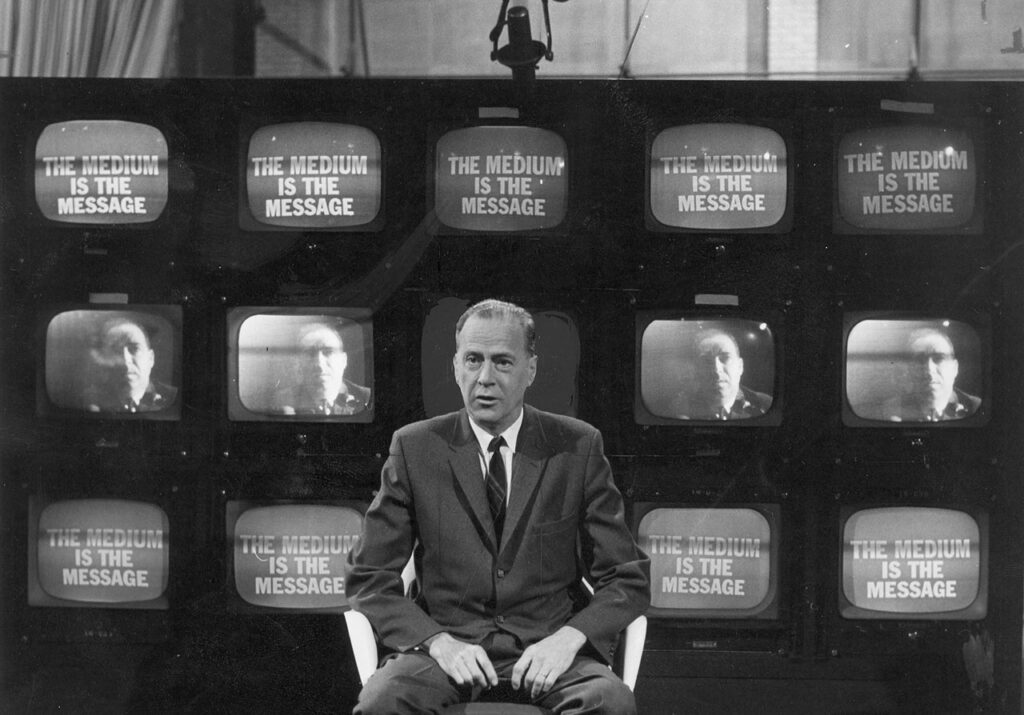
McLuhan's (1964) foundational proposition that mediated technologies ensure culture diffusion in society, which in turn helps change human behaviour, establishes the theoretical groundwork for understanding contemporary identity formation. As TP (2021) notes, McLuhan's unique perspective included numbers, games, and money as forms of media, recognizing that these systems extend human cognitive and social capabilities in ways that fundamentally alter individual and collective identity.
The concept of numbers as media is particularly illuminating when considering how quantification systems influence self-perception. In digital environments, individuals are constantly measured, rated, and ranked through numerical metrics—social media followers, fitness tracking data, credit scores, and performance evaluations. These quantified aspects of identity create what Burrows (2012) terms "metric culture," where numerical representations of self become more significant than qualitative experiences. This phenomenon demonstrates McLuhan's insight that media technologies don't simply transmit information—they fundamentally reshape how individuals understand themselves and their relationships to others.
McLuhan's understanding of games as media of interpersonal communication and extensions of human social self provides crucial insights into contemporary digital identity play. Modern social media platforms function as sophisticated gaming environments where users engage in identity performance, social comparison, and community building. According to Consalvo (2019), digital platforms employ game mechanics such as badges, levels, and rewards to encourage specific behavioural patterns that ultimately serve corporate interests while appearing to empower individual users.
The role of money as empowering media that facilitates access and serves as a transmitter of information, knowledge, and culture aligns with contemporary research on digital divides and algorithmic discrimination. Those with greater financial resources have enhanced access to identity-shaping technologies, educational opportunities, and cultural capital that influence self-concept development. This creates what van Dijck (2013) describes as "data discrimination," where economic status determines not only material opportunities but also the quality and visibility of one's digital identity.
McLuhan's (1964) foundational proposition that mediated technologies ensure culture diffusion in society, which in turn helps change human behaviour, establishes the theoretical groundwork for understanding contemporary identity formation. As TP (2021) notes, McLuhan's unique perspective included numbers, games, and money as forms of media, recognizing that these systems extend human cognitive and social capabilities in ways that fundamentally alter individual and collective identity.
The concept of numbers as media is particularly illuminating when considering how quantification systems influence self-perception. In digital environments, individuals are constantly measured, rated, and ranked through numerical metrics—social media followers, fitness tracking data, credit scores, and performance evaluations. These quantified aspects of identity create what Burrows (2012) terms "metric culture," where numerical representations of self become more significant than qualitative experiences. This phenomenon demonstrates McLuhan's insight that media technologies don't simply transmit information—they fundamentally reshape how individuals understand themselves and their relationships to others.
McLuhan's understanding of games as media of interpersonal communication and extensions of human social self provides crucial insights into contemporary digital identity play. Modern social media platforms function as sophisticated gaming environments where users engage in identity performance, social comparison, and community building. According to Consalvo (2019), digital platforms employ game mechanics such as badges, levels, and rewards to encourage specific behavioural patterns that ultimately serve corporate interests while appearing to empower individual users.
The role of money as empowering media that facilitates access and serves as a transmitter of information, knowledge, and culture aligns with contemporary research on digital divides and algorithmic discrimination. Those with greater financial resources have enhanced access to identity-shaping technologies, educational opportunities, and cultural capital that influence self-concept development. This creates what van Dijck (2013) describes as "data discrimination," where economic status determines not only material opportunities but also the quality and visibility of one's digital identity.